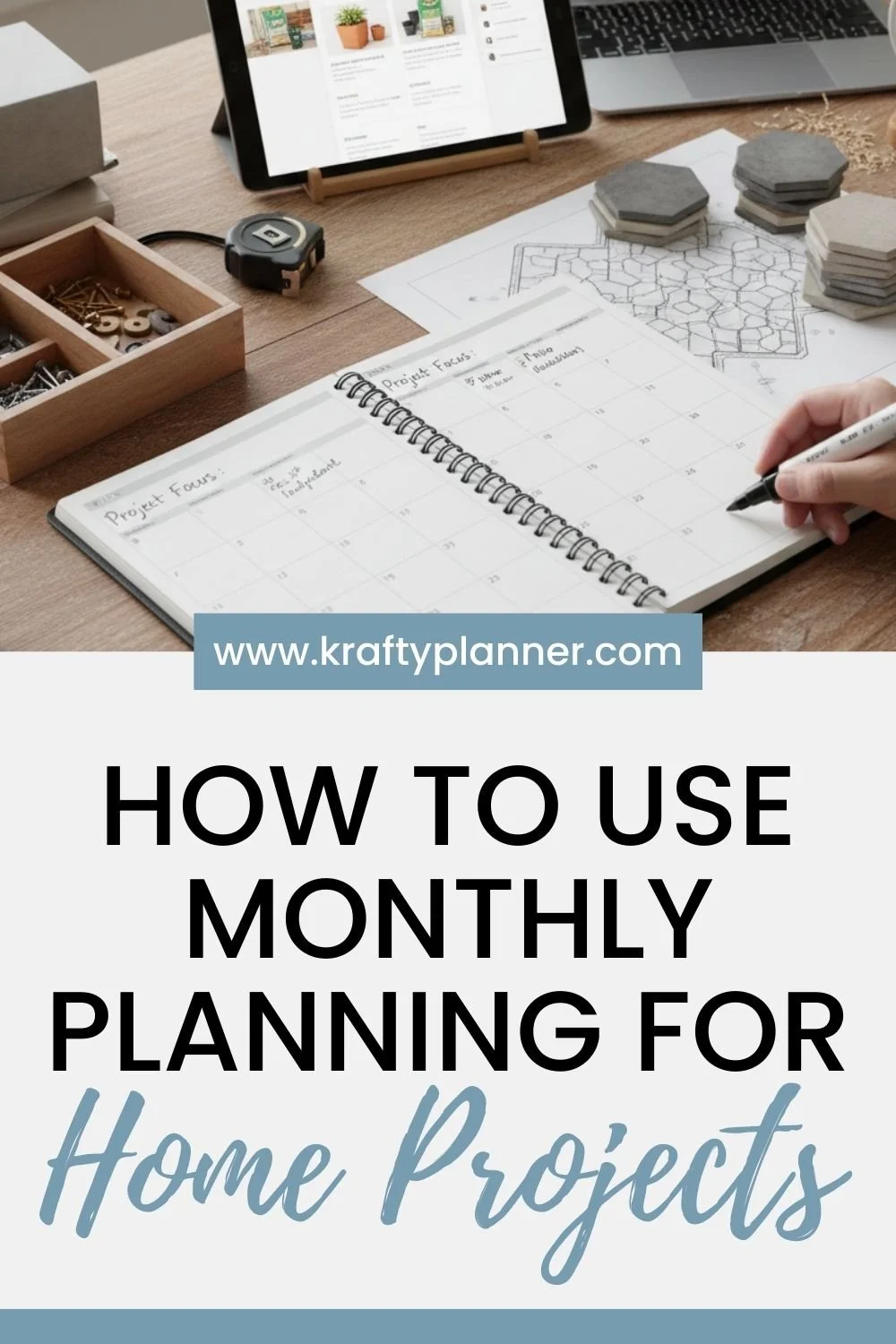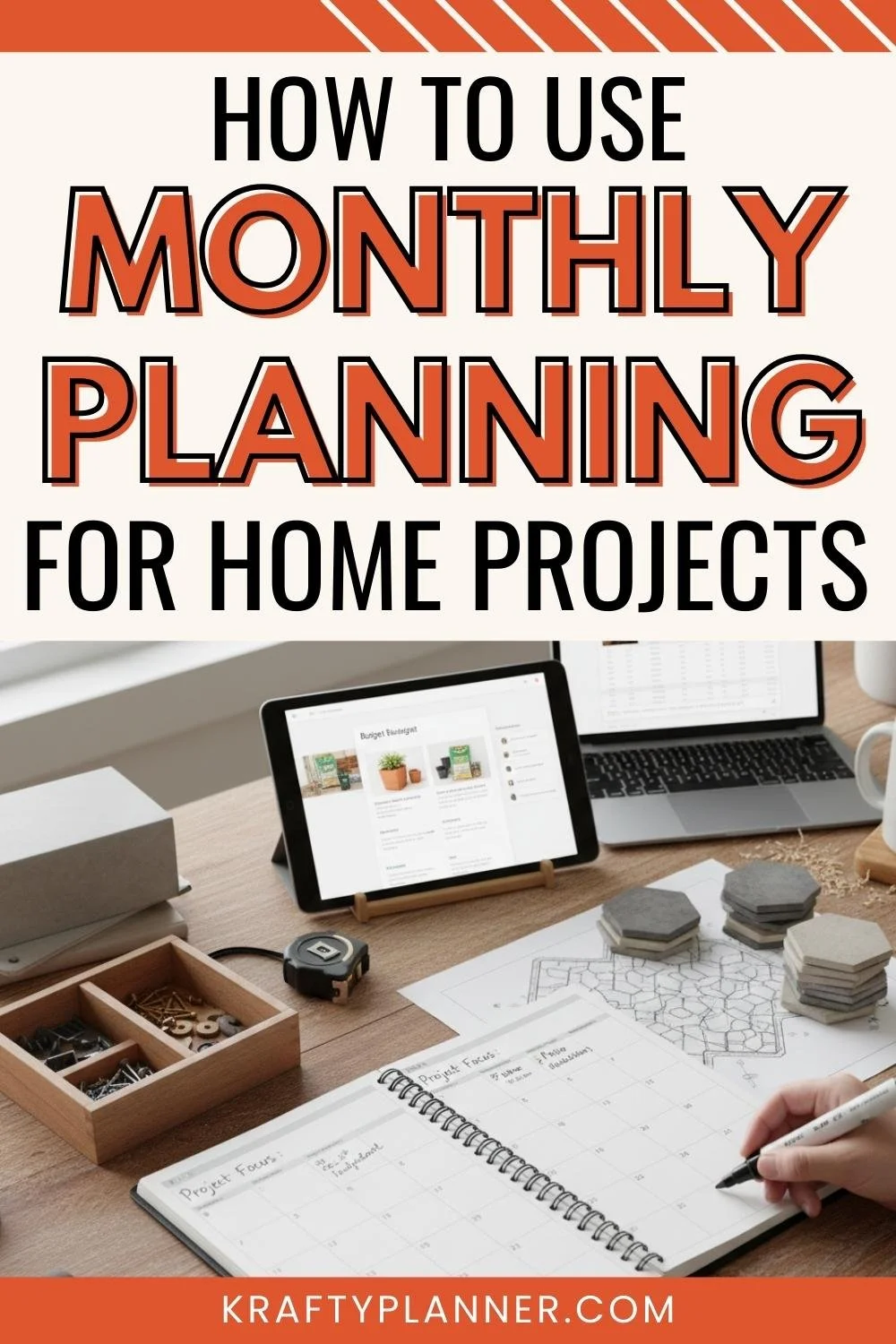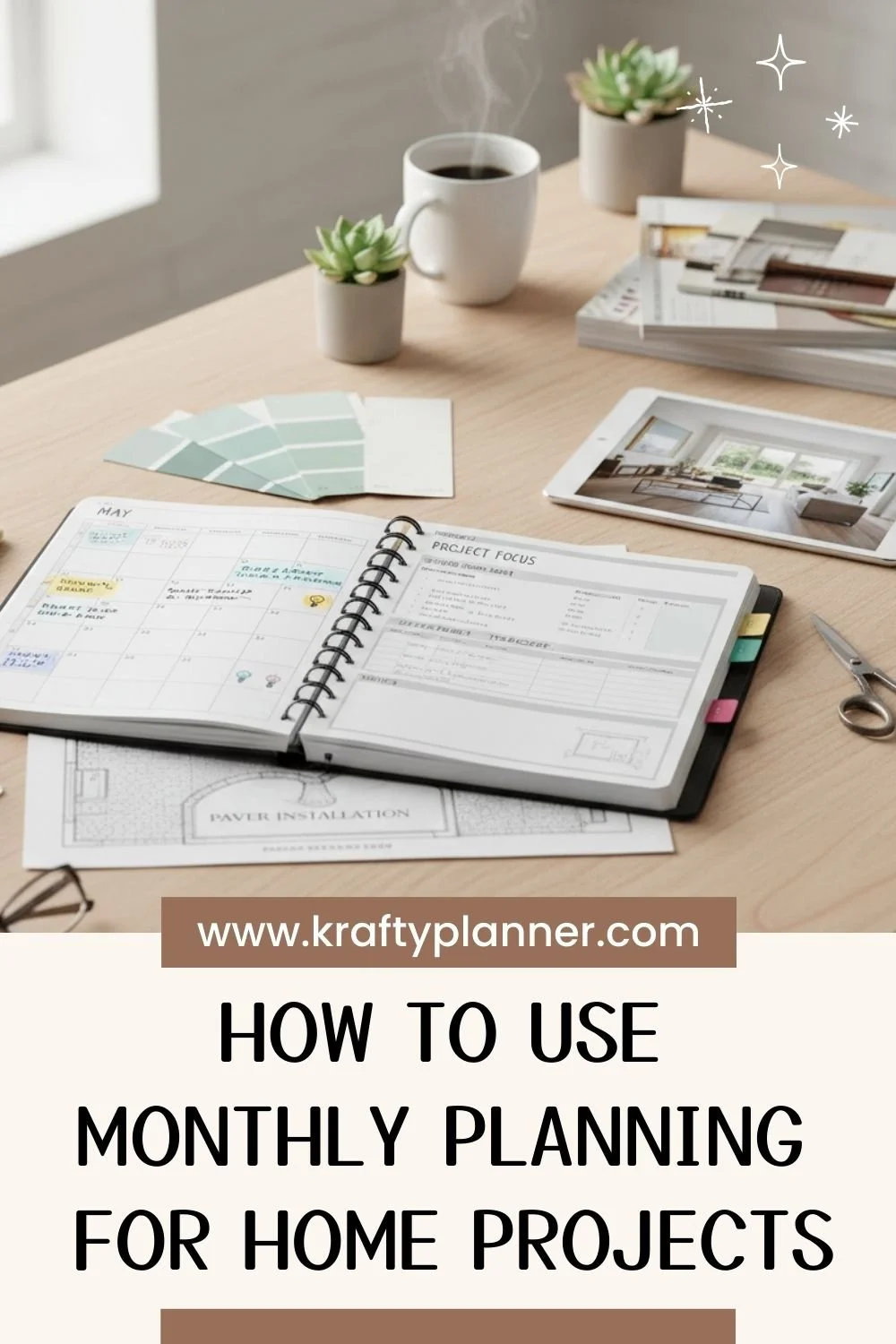
How to Use Monthly Planning for Home Projects
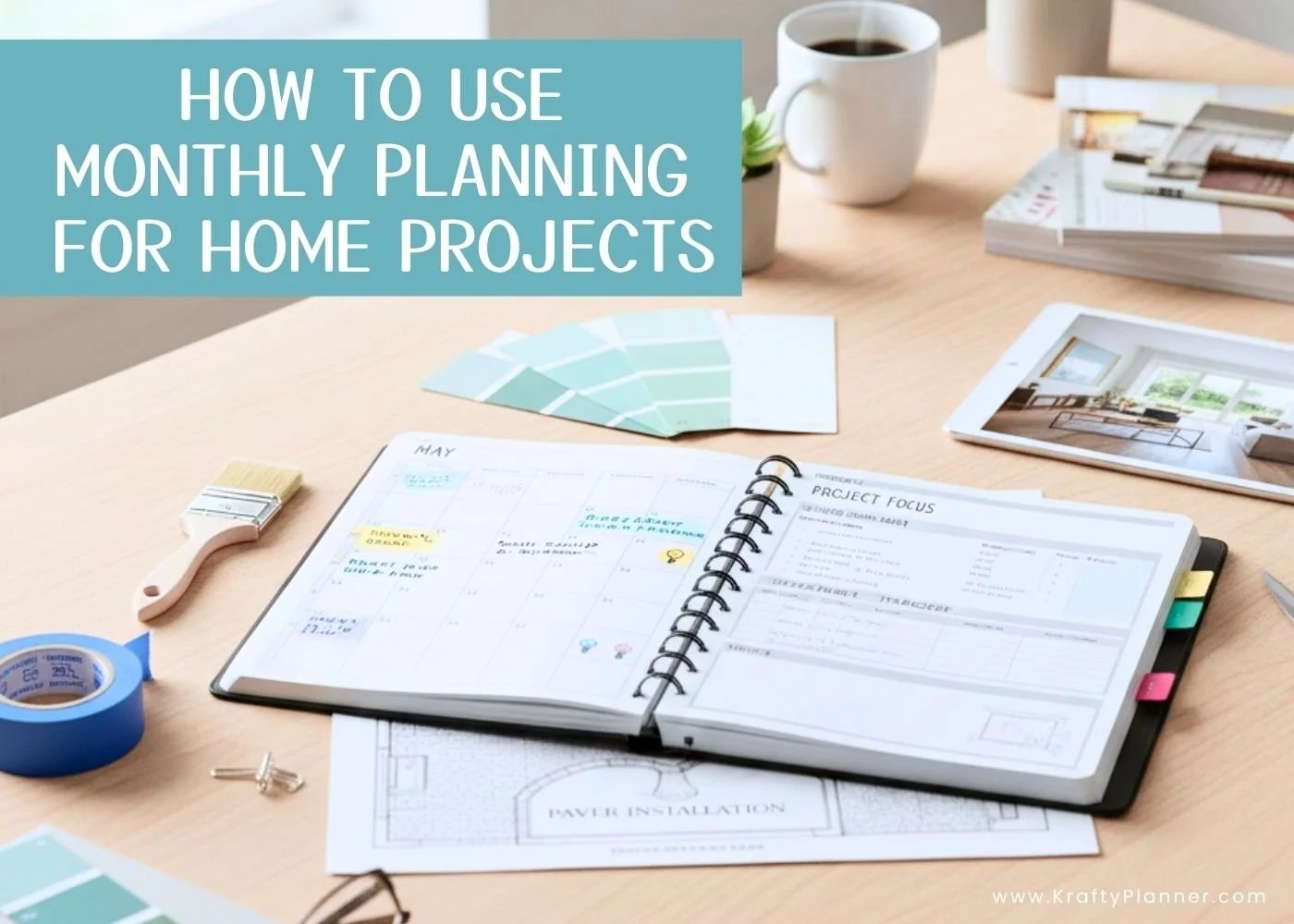
Monthly planning is one of the most effective ways to stay organized when working on home projects of any size. Instead of juggling tasks, remembering deadlines, or feeling overwhelmed by everything you want to improve, a monthly structure helps you see what needs attention without losing track of your routine.
With a clear plan in place, you can pace yourself, budget more efficiently, and actually finish the upgrades you start.
Set Your Monthly Project Focus
A strong monthly plan begins with choosing a clear project focus. Trying to improve multiple areas at once can lead to unfinished work, so it helps to give each month one primary goal.
This could be refreshing a specific room, handling a repair, or completing an outdoor upgrade. When outlining your focus, this is also a natural moment to include any seasonal tasks, like preparing your exterior for warmer weather.
For example, some homeowners schedule outdoor improvements early in the year and look into options such as San Diego driveway paver installation as part of their spring planning. Adding these details early in your layout helps you understand the time, money, and steps involved.
Break Down Tasks Into Weekly Steps
Once you know your monthly focus, list every task the project requires. Break each one into smaller steps that can reasonably fit into weekly planning pages. This prevents the process from feeling too large or chaotic and keeps your schedule realistic.
For example, a room update might include tasks like decluttering, buying organizational containers, touching up paint, or installing small fixtures. Assigning these steps to specific weeks helps you avoid last minute rushes and gives you a sense of progress as you check things off.
Add Supporting Tasks and Supplies
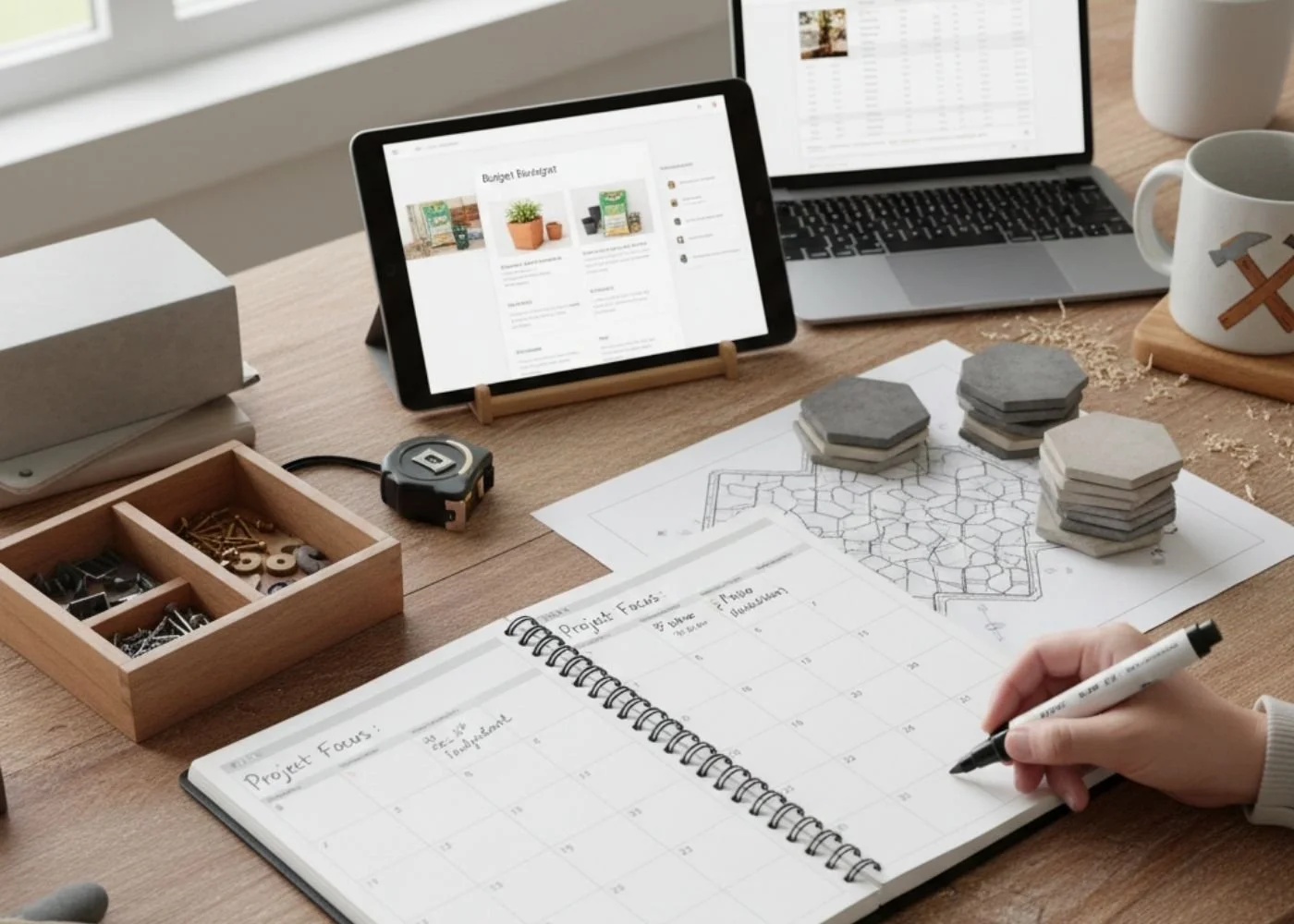
Every project includes secondary tasks that support the main goal. These might involve cleaning, measuring, comparing prices, or gathering tools. Add these to the monthly plan so they are not forgotten. A well-organized planner layout streamlines your workflow and reduces mistakes.
You can also create a running list of supplies needed for the month. This keeps you from buying items twice and makes store trips more efficient.
Use Monthly Calendars to Track Timing
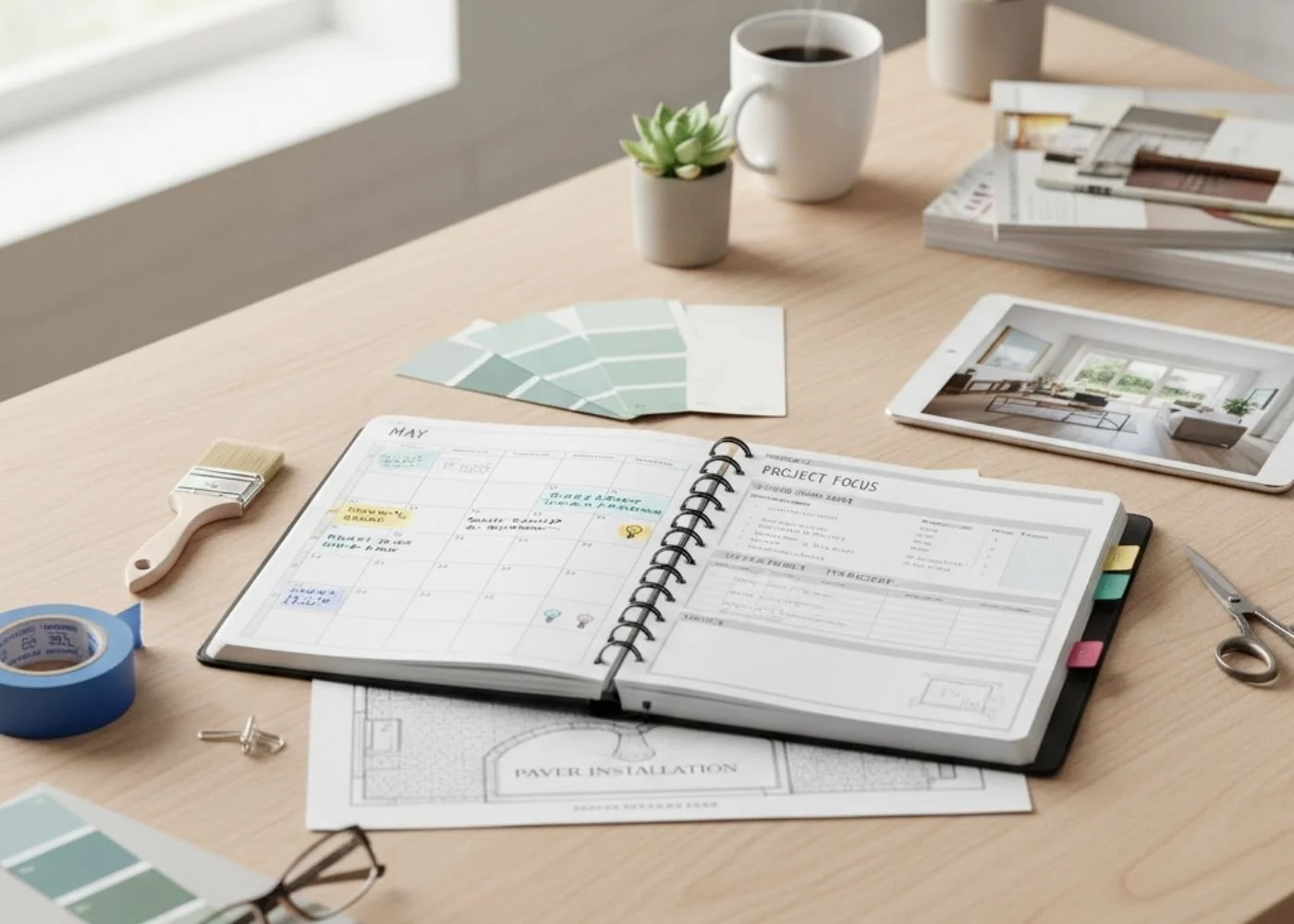
Your monthly calendar isn’t just for appointments. It is the perfect place to map out project timing. Mark which days are dedicated to certain tasks, when materials will be delivered, and any deadlines you want to meet.
This is especially helpful for outdoor or weather-dependent projects since it allows you to select the best days for installation or maintenance.
When your plan is visible across the entire month, it becomes easier to avoid overbooking and easier to stay consistent.
Include a Budget and Notes Section
Home projects often involve unexpected expenses, so creating a small budget section in your monthly spread helps you stay on track. Use this space to estimate material costs, note price comparisons, and record any final totals once tasks are complete.
A notes section also helps you keep track of measurements, product names, reminders, and inspiration. These details are useful later if you want to repeat a process or expand the project into the next month.
Review Your Progress at the End of the Month
Before starting a new month, review what worked and what didn’t. Monthly planning is at its strongest when you can adjust and refine your approach.
If a task took longer than expected, use that insight to schedule more efficiently next time. If certain tools or supplies saved time, highlight them for future reference. This reflective step improves your planning habits and makes long-term home organization much more manageable.
Keep Your Planning Flexible
While structure is helpful, leave a little flexibility in your monthly layout. Home projects rarely go perfectly, so having a few open days gives you space to shift tasks without feeling like you are falling behind. Flexibility makes the process more realistic and helps you stay motivated even when surprises occur.
By using monthly planning to guide your home projects, you create a smoother, more organized path toward the upgrades you want to accomplish. This simple system helps you stay focused, avoid stress, and enjoy the satisfaction of steady progress throughout the year.
Before you go:
You might also be interested in…
Get The P.L.A.N. Everything Getting Started Bundle + Inserts
Upgrades that will Breathe New Life into Your Home Exteriors
FOR PERSONAL USE ONLY – Please Read Freebies Terms of Use
(This post may contain affiliate links. For more information, see my disclosures here.)
~ SHARE THIS POST ~
Did you like this post? Do you know someone else who might enjoy it? Please take a minute to share it on Pinterest, Facebook, or your favorite social media… Thank you!