Choosing the Best Mold for Making Cold Process Soap
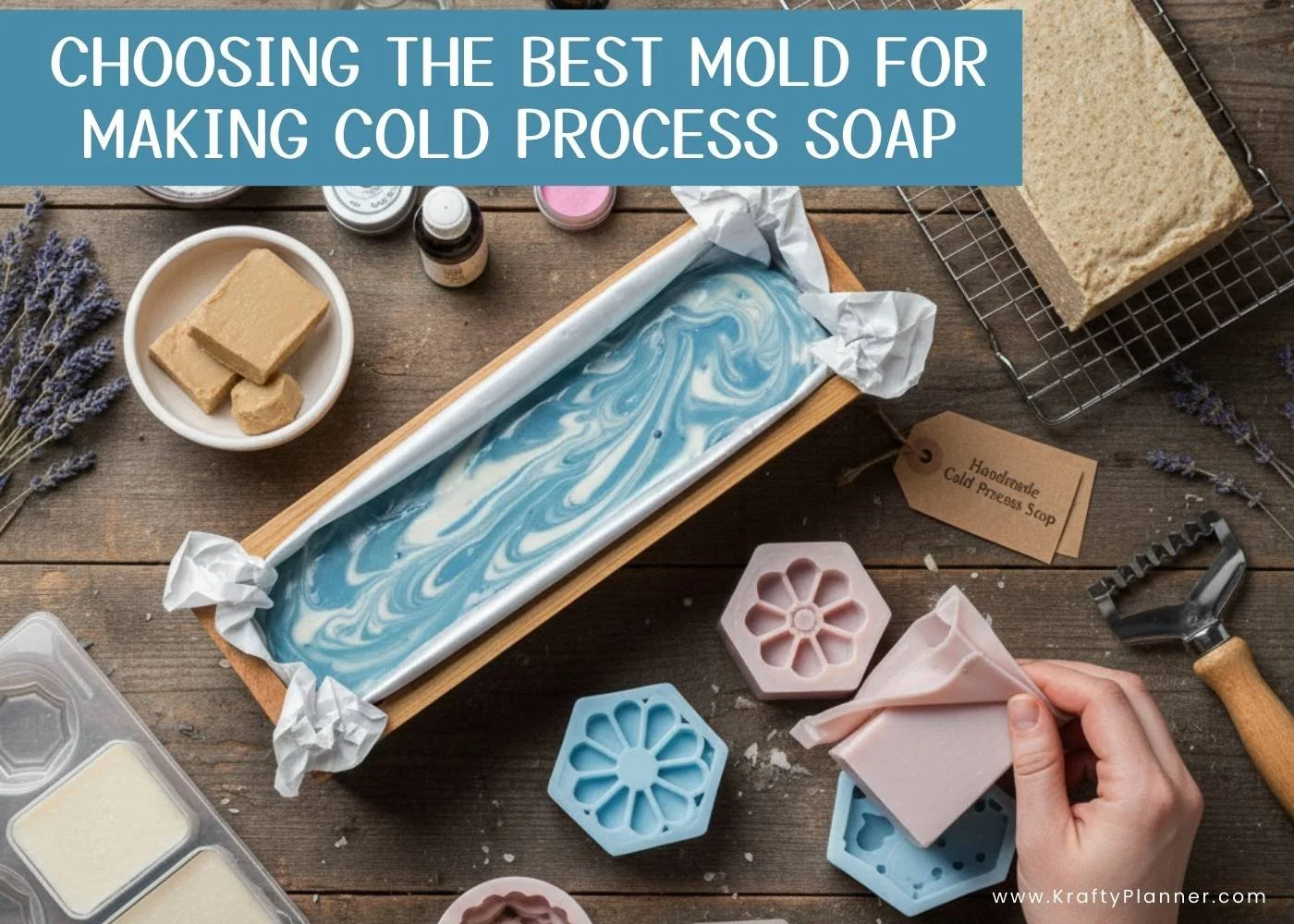
Choosing the right mold can make the difference between soap that releases easily and bars that stick or crack. Silicone and wooden molds work best for cold process soap, with silicone offering non-stick convenience and wooden molds providing superior heat retention for complete gel phase. Each type has distinct advantages that suit different soap makers' needs and production goals.
Silicone molds stand out for cold process soap because of their flexibility and ease of use. Soap releases effortlessly, and cleanup takes just seconds with warm water and dish soap. These molds come in countless shapes and sizes, from basic loaf styles to detailed patterns.
Many soap makers who want unique designs rely on non-stick custom soap molds, silicone cavity molds, or flexible decorative molds to achieve professional results without sticking or cracking. However, silicone doesn’t hold heat as well as wood, which can affect how the soap cures during the gel phase.
Wooden molds excel at temperature control. The natural insulation helps soap reach and maintain the gel phase, which creates more vibrant colors and a firmer bar. These molds require liners like freezer paper to prevent sticking, but they last for years with proper care.
The choice between silicone and wood depends on your batch size, desired finish, and how much time you want to spend on mold preparation.
Key Takeaways
Silicone molds offer easy release and cleanup but provide less insulation than wooden options
Wooden molds deliver superior heat retention for better gel phase and more vibrant colors
The best mold choice depends on batch size, design preferences, and production goals
Comparing Mold Types for Cold Process Soap
Each mold type offers distinct benefits for cold process soap makers, from the flexible convenience of silicone to the heat retention of wood and the budget-friendly appeal of plastic.
The right choice depends on batch size, design goals, and how much insulation the soap needs to achieve the gel phase.
Silicone Molds: Pros, Cons, and Best Practices
Silicone molds provide excellent flexibility and a non-stick surface that makes soap removal simple. These molds need no liner, which saves time and reduces preparation work. The material can handle temperatures up to 200°F and comes in hundreds of shapes and designs.
However, silicone loses heat quickly compared to wooden options. This trait can prevent full gel phase unless the soap maker takes extra steps.
To fix this issue, many people place their silicone molds in a slightly warm oven or wrap them in towels after pouring.
The smooth interior of a silicone mold creates a glossy finish on soap bars. These molds clean easily with hot water and dish soap. For best results, people should use food-grade silicone that resists tears and holds its shape through repeated use.
Silicone works well for both small individual cavities and larger loaf-style designs. The flexible walls allow soap to pop out cleanly without sticking to corners or edges.

Wooden Molds and Loaf Molds: Traditional Advantages
Wood molds provide superior insulation that helps cold process soap reach complete gel phase naturally. The material retains heat for hours after the pour, which creates even saponification throughout the batch. Most wooden soap molds use poplar or Baltic birch plywood for durability and moisture resistance.
These molds need a liner such as freezer paper or parchment to prevent soap from sticking to the wood. The paper goes in the main cavity with the shiny side face up. Many wooden molds feature removable ends and built-in slots for cutting, which makes the demolding process simpler.
A loaf mold made from wood can handle large batches and create uniform bars. The natural insulation means soap makers rarely need heating pads or extra blankets. However, wood requires more care than silicone. You will need to clean wooden molds with rubbing alcohol rather than water to prevent damage.
Properly maintained wood molds last for years. The investment pays off for those who make frequent batches or prefer traditional soap-making methods. These molds excel at techniques like CPOP (Cold Process Oven Process), where consistent heat matters most.
Plastic Molds: Rigid and Flexible Options
Plastic molds come in two main varieties: rigid and flexible.
Rigid plastic molds cost less than other options and offer good shape retention. They work better for melt and pour soap than cold process because of how they interact with the saponification process.
Cold process soap can stick to plastic surfaces and may need up to a week before it releases from the mold. To speed this up, soap makers should use recipes with high amounts of hard oils like coconut oil, palm oil, or cocoa butter. These oils help the soap harden faster.
Flexible plastic molds behave more like silicone but cost less money. They still require careful recipe formulation to avoid extended demolding times. The material does not insulate as well as wood, so plastic molds need extra blankets or towels to maintain temperature.
People often choose plastic molds for specific shapes or novelty designs. These molds can create detailed patterns for guest soaps or sample sizes. However, they represent a compromise between the ease of silicone and the insulation of wood.
Alternative and Upcycled Soap Molds
Many household items can serve as soap molds for cold process projects. Cardboard boxes lined with freezer paper create functional slab molds for large batches. PVC pipes work well for round or cylindrical soap bars that need to be sliced into discs.
Milk cartons and juice boxes make good individual molds once cleaned and dried. The wax coating on these containers provides a natural non-stick surface. However, these options lack insulation, so soap makers must wrap them in towels to achieve gel phase.
Silicone baking molds designed for muffins or loaves can double as soap molds. These kitchen items often cost less than dedicated soap molds while still providing the benefits of silicone. They come in various sizes and shapes that add creativity to soap designs.
The downside to alternative molds involves durability and consistency. Homemade or repurposed molds may not hold up through multiple uses. They also require more testing to determine how much batter they hold and whether they can handle the heat from saponification.

How to Choose the Best Soap Mold for Cold Process Soap
The right mold depends on how quickly the soap needs to release, how well it should hold heat, and what level of detail the final bars require.
Factors to Consider: Release, Insulation, and Detailing
The ease of soap release varies significantly across different mold materials. Silicone molds offer the simplest release process because their flexible walls allow soapers to peel away the sides without damaging intricate designs.
Rigid molds made from wood or plastic create more resistance during unmolding, which means soapers need to wait longer for the bars to harden completely.
Insulation affects how the soap cures and whether it reaches gel phase. Wood molds naturally trap heat, which helps soap progress through gel phase and develop richer colors.
However, this same quality makes them prone to overheating in warm environments. Silicone and plastic molds provide less insulation, so the soap takes longer to harden but stays cooler overall.
Detail preservation matters most for decorative soaps with patterns or embedded designs. Silicone captures fine details better than other materials because the smooth surface creates a glossy finish on the soap. Plastic molds also work well for detailed shapes, though they require more patience during the unmolding stage. Wood molds produce clean, professional bars but don't capture intricate surface details as effectively.
Batch size should match the mold type. Slab molds work best for large production runs, while individual cavity molds suit small batches or test recipes. The mold dimensions directly determine how much soap base the recipe needs.
Lining and Preparing Soap Molds
Wood molds require lining with freezer paper to prevent the raw soap from sticking to the surface. Freezer paper differs from wax paper because it stays intact under high temperatures and won't melt into the soap. The shiny side should face the soap to create a smooth release surface.
Silicone molds need no liner, which saves time and reduces waste during soap making. A quick rinse with hot water and dish soap after each use keeps these molds clean and ready for the next batch. Soapers should avoid dishwashers and harsh scrubbing tools that might scratch the glossy finish.
Plastic molds also work without liners because the soap releases directly from the plastic surface. Some soapers prefer to spray these molds with a light coat of mineral oil before pouring, though this step isn't necessary for most cold process soap recipes.
Recycled containers like milk cartons or yogurt cups provide budget-friendly options for experimental batches. These containers often need freezer paper liners unless they already have a non-stick coating on the inside. The liner prevents leaks and makes unmolding possible without destroying the container.

Tips for Unmolding and Enhancing Soap Hardness
Sodium lactate stands out as the most effective additive for faster unmolding. This liquid salt helps produce harder bars that release from molds 2-3 days earlier than soap made without it. Most recipes benefit from one teaspoon of sodium lactate per pound of oils, mixed into the cooled lye water before trace.
Hard oils in the recipe formula also speed up the hardening process. Palm oil, coconut oil, and cocoa butter create firmer bars that unmold more easily from plastic molds. A recipe with at least 40-50% hard oils typically releases within 3-4 days instead of a full week.
The soap signals readiness for unmolding based on how it responds to gentle pressure. Soapers should pull away one corner of a silicone mold to test the firmness. If the soap resists or shows any signs of tearing, it needs more time in the mold. Patience prevents damaged bars and frustration.
Temperature control helps prevent common unmolding problems. Soap placed in the freezer for 1-2 hours contracts slightly, which breaks the seal between the mold and the bar.
This technique works particularly well with stubborn plastic molds. However, soapers must let the bars return to room temperature before attempting to remove them completely.
Plastic molds present the biggest challenge for cold process soap because they hold moisture against the soap surface. These molds often require a full week before the bars release cleanly.
Best soap molds for beginners typically fall into the silicone category because they balance ease of use with professional results.
Conclusion
The best mold for cold process soap depends on budget, batch size, and personal preference.
Silicone molds offer easy release and require no liner, though they may need extra time to firm up.
Wooden molds provide better insulation for gel phase and work well for large batches, but they must be lined with freezer paper.
Plastic containers and bread pans serve as affordable options for beginners who want to test recipes before they invest in professional equipment.
Soap makers should choose molds based on how they plan to sell or use their bars.
Standard rectangular molds produce consistent bar sizes that customers expect at markets and shops. However, decorative silicone shapes can add variety for special occasions or gifts.
The right mold makes unmolding easier, reduces waste, and helps create bars that look professional and cure properly.
Before you go:
You might also be interested in…
FOR PERSONAL USE ONLY – Please Read Freebies Terms of Use
(This post may contain affiliate links. For more information, see my disclosures here.)
~ SHARE THIS POST ~

Did you like this post? Do you know someone else who might enjoy it? Please take a minute to share it on Pinterest, Facebook, or your favorite social media… Thank you!